Home » The eco-life of the Soviet era – a dishcloth from a rug box and bread for head washing.
Nowadays, we talk a lot about how we should live in a packaging-free world, consume home-grown food, give used clothes a new life, reduce paper use, avoid food waste, and stay away from toxic detergents, etc.
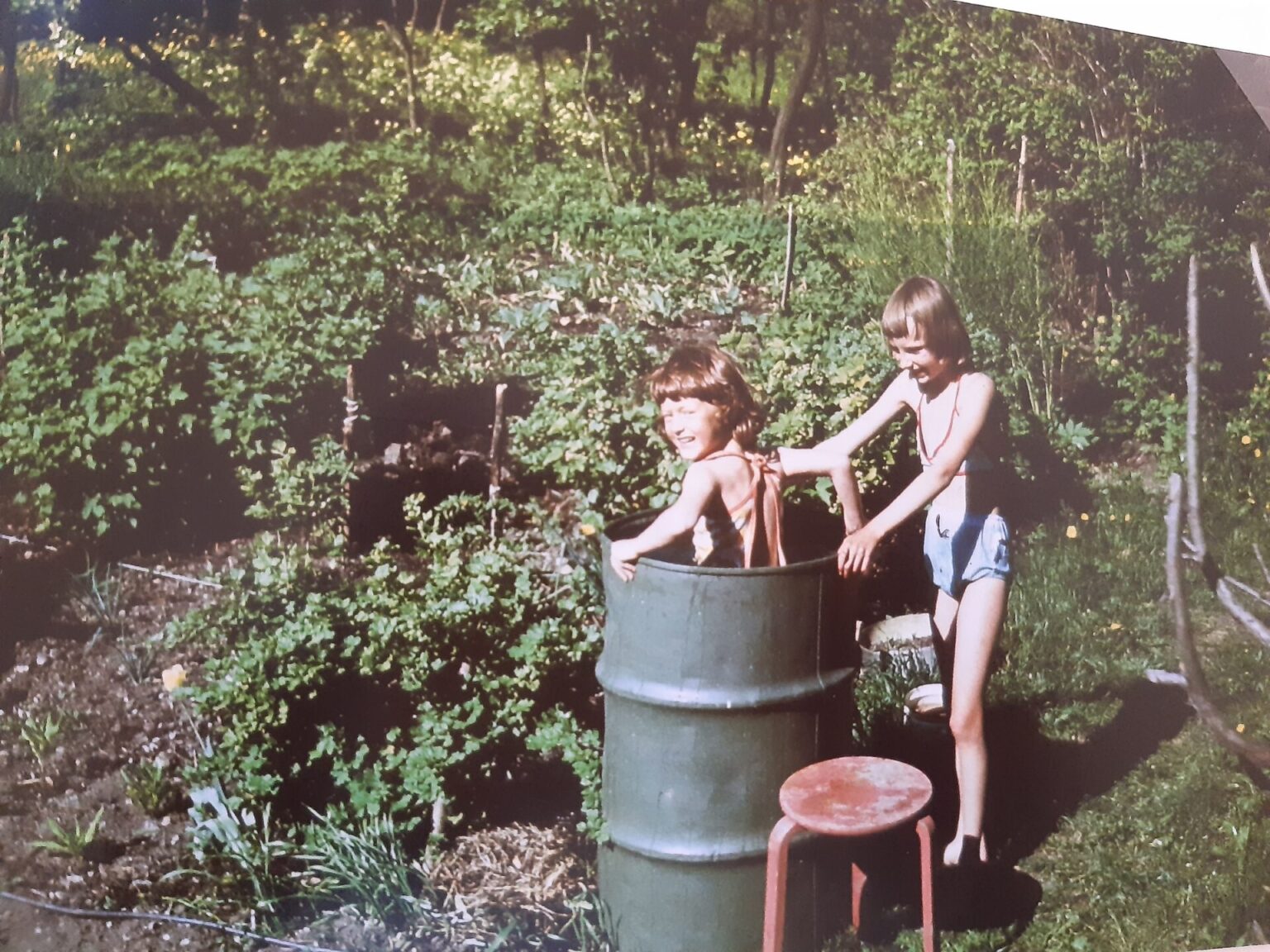
Looking back at my childhood in light of all this, that’s exactly how we—now in our 50s—lived in the “blissful” ESSR during the 70s and 80s.
Living on the 5th floor of a panel house on J. Smuuli Street in Kingissepa, we had a large box in our hallway filled with old, worn-out clothes. From there, we took rags as needed for washing dishes, dusting, mopping floors, or even mending a piece of clothing. My father’s extra-large sports shirts were used for washing the outer hallway, a task the neighbor girl and I had to take turns doing. We often did it together because, as you know, it was more fun that way. The housing association—that was us, the children of that stairwell!
The neighbor girl and I also went to get real cow’s milk together, walking across a dark and cold pasture with a three-liter milk churn swinging in each of our hands. We always got to taste the warm, frothy milk. When real cow’s milk wasn’t available, we had glass milk bottles swinging in a string bag from the nearby Tooma shop. It was my brother’s job to take the empty bottles back to the shop. And specifically in a string bag, because there were no plastic bags. Or if there were, people couldn’t bring themselves to use them. In the shop, white bread, black bread, sausages, and cheeses were all wrapped in paper. You couldn’t get meat from the shop anyway; we got that with the help of an acquaintance who worked at the meat processing plant.
Our family also subscribed to newspapers. My father was the main reader, mostly for the sports pages. Old newspapers were used for washing windows as well as in the toilet. There, you had to rub them between your hands a bit to make them softer before use :). A newspaper also went at the bottom of the trash can—no plastic bag. It worked very well, although washing the trash can was a bit tedious. If there were still newspapers left over, they were taken to the basement, tied together, and brought to school. The Pioneers, of which I was one, had a scrap paper collection competition among themselves.
Windows were washed with a weak vinegar solution and dishes with baking soda. At the summer cottage and my grandmother’s place, it was easier to get pots clean because we could use wood ash. We often washed dishes in two basins: one with soda water for washing and the other with water for rinsing. In my handicraft class, I crocheted a holder for the dishcloth. My mother was especially happy with this gift, as it was much neater to hang the dishcloth to dry inside it. It also dried very quickly over the wood stove.
The summer cottage held an important place in our family because it had all sorts of garden beds, berry bushes, and a large strawberry patch. We looked after them together with our grandparents; that’s where our summers were spent, and that’s how our winter supplies, compotes, and jams ended up in the old root cellar.
My grandparents also raised pigs, chickens, and rabbits—always free-range and fed on rich food scraps. All our family’s eggshells and dried bread went there. For my 18th birthday, my grandfather had a fur coat made for me from our home-raised rabbits. He even tanned the rabbit skins himself. And the roast rabbit from the wood-fired oven was mouth-watering! I still have the coat and still use it. If only there were winters worthy of a fur coat!
I even remember that my grandfather boiled his own soap, which was great for getting woolen clothes clean.
My mother sewed most of the clothes for my brother and me herself, and they were worn until the end of their life or passed down to younger relatives. Soft dress shoes were made by a shoemaker we knew.
I often babysat my cousins, and changing gauze diapers was part of the “job.” The faster a child learned to use the potty, the less washing of rags there was. When I reached my teens, I also learned how to make “sanitary pads” myself from gauze and cotton wool. We also used cotton handkerchiefs, which were a nuisance to wash, but what could you do. Handkerchiefs with lace crocheted around them with very fine thread were, of course, highly prized.
Washing hair with egg or bread and rinsing with nettle water is something else I experienced in my childhood. Quite often, there was no hot water from the tap, so there was nothing for it but to learn how to toughen up. Shared sauna sessions and running naked in the snow are also warm memories.
For a while, it seemed like all of that disappeared. It’s a wonderful feeling of recognition that eco-living is the new-old normal, and our own experiences come in handy for encouraging young people today. Don’t put a plastic bag in the trash can and go to the shop with your own string bag, because that’s what we did in our childhood, and it’s still possible now—nearly 40 years later.